
5 Anti-Inflammatory Herbs You Should Be Cooking With More Often, According to Dietitians
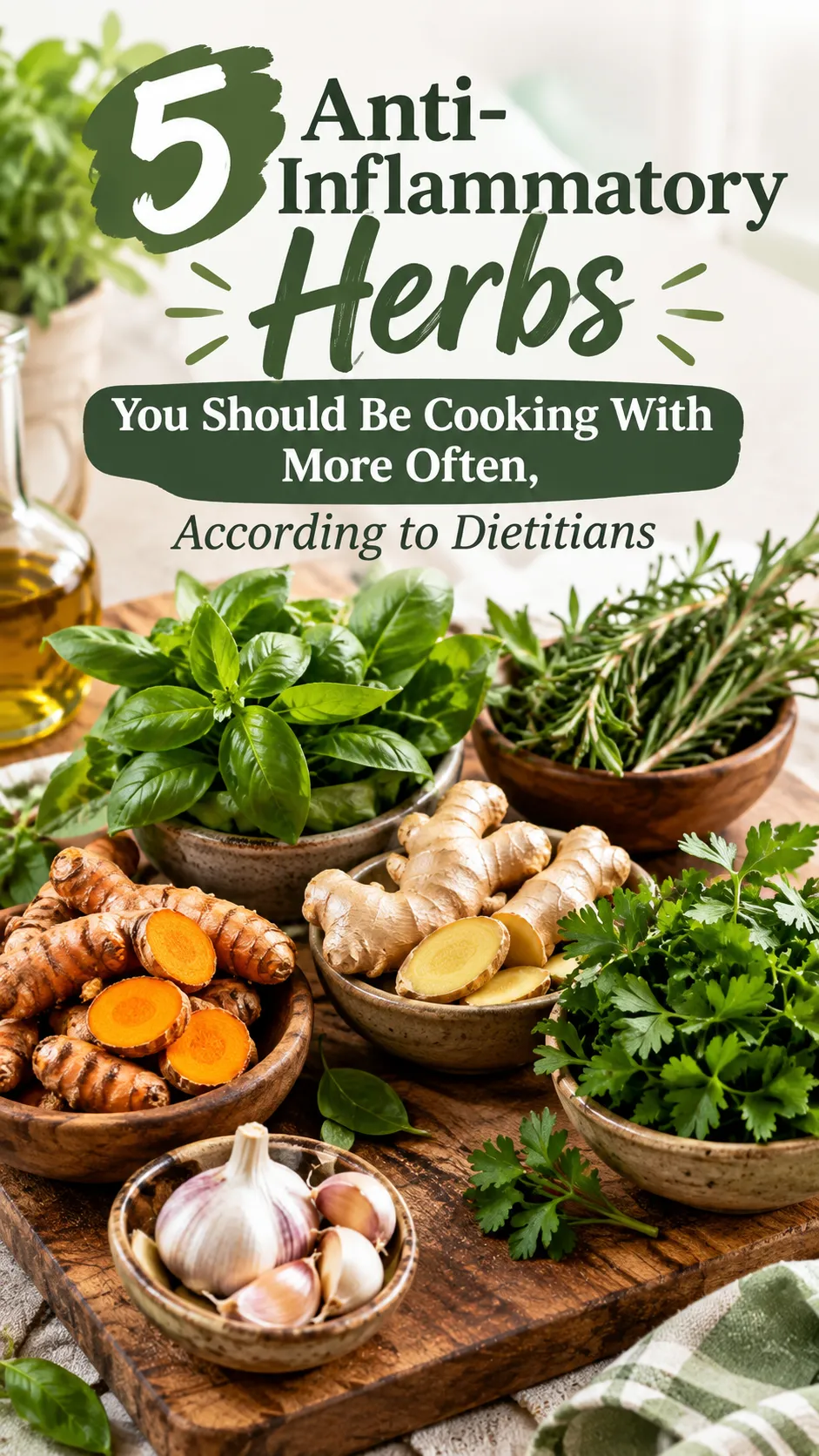
Inflammation is a natural process that helps your body respond to injury and illness. However, when inflammation becomes chronic, it may be associated with a variety of health concerns. One simple way to support a healthy, balanced diet is to include more herbs and spices in your everyday meals.
Here are 5 anti-inflammatory herbs you should consider cooking with more often, according to nutrition experts and dietitians.
Hello Read: 5 High-Protein Gut-Healthy Breakfasts You Can Make in 15 Minutes
1. Turmeric
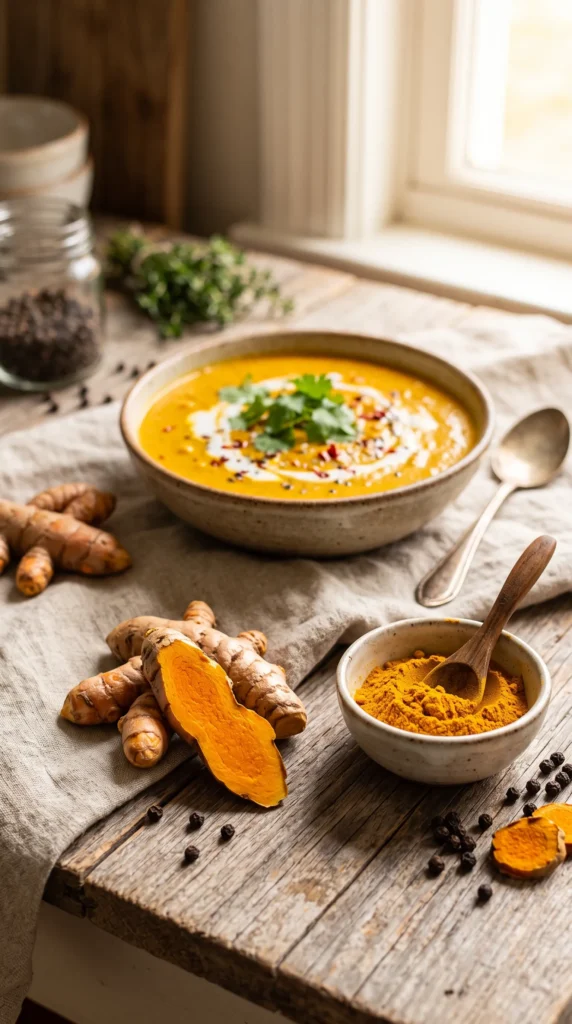
Turmeric is one of the most popular herbs and spices associated with an anti-inflammatory diet. Its bright yellow color comes from a compound called curcumin, which has been widely studied for its antioxidant and anti-inflammatory properties.
You can add turmeric to curries, soups, rice dishes, roasted vegetables, and smoothies. Pairing turmeric with black pepper is also common because piperine, a compound in black pepper, may improve the body’s absorption of curcumin.
Easy idea: Add a pinch of turmeric and black pepper to scrambled eggs, roasted cauliflower, or a warm vegetable soup.
2. Ginger
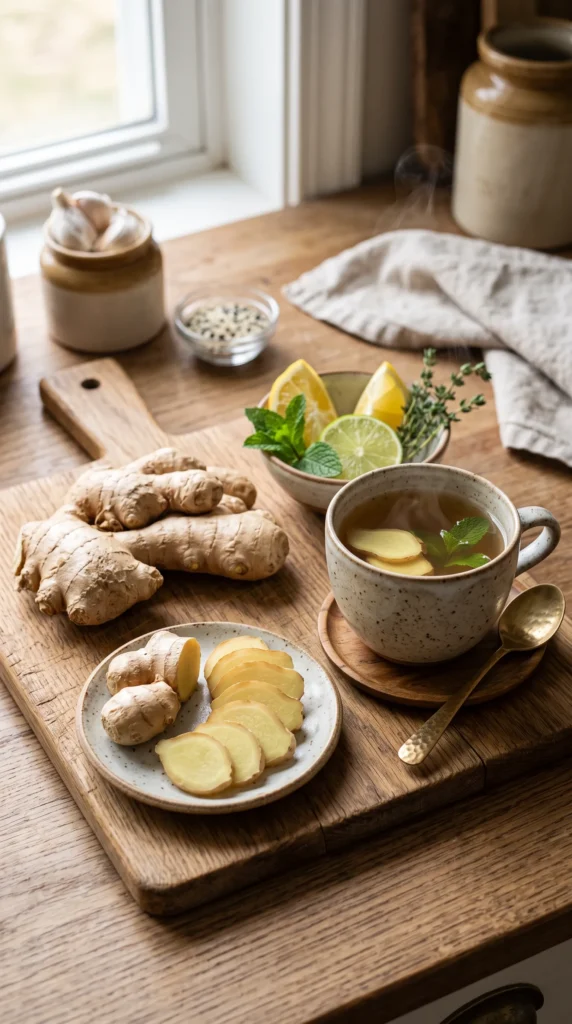
Ginger has a warm, slightly spicy flavor that works well in both sweet and savory dishes. It contains naturally occurring compounds called gingerols, which have antioxidant and anti-inflammatory activity.
Fresh ginger can be grated into stir-fries, marinades, soups, and dressings. You can also add it to tea or smoothies for a refreshing kick.
Easy idea: Combine fresh grated ginger with garlic, low-sodium soy sauce, and a little sesame oil to create a flavorful marinade for chicken, tofu, or vegetables.
3. Garlic
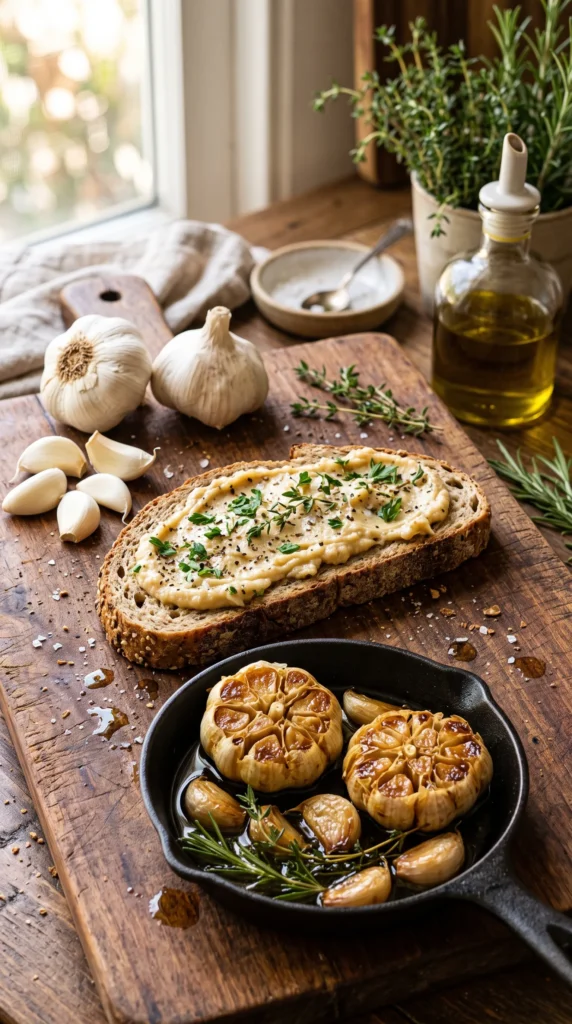
Garlic is a kitchen staple that can add incredible flavor without relying heavily on salt or rich sauces. It contains sulfur-containing compounds that are believed to contribute to its antioxidant and potential anti-inflammatory effects.
Whether you use fresh cloves, minced garlic, or roasted garlic, there are countless ways to include it in your meals.
Easy idea: Roast whole garlic cloves and spread the soft, creamy garlic over whole-grain toast or mix it into mashed potatoes and roasted vegetables.
4. Rosemary
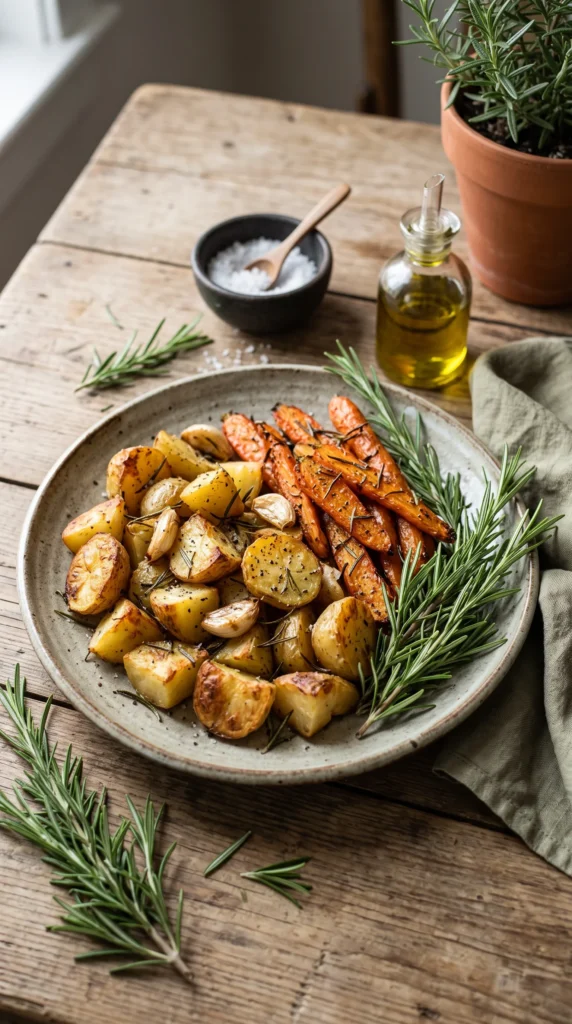
Rosemary is an aromatic herb that pairs beautifully with roasted vegetables, potatoes, chicken, fish, and whole grains. It contains plant compounds with antioxidant properties, including rosmarinic acid.
Using rosemary can also help make simple meals more exciting, which may encourage you to eat more nutrient-rich foods such as vegetables and whole grains.
Easy idea: Toss potatoes or carrots with olive oil, fresh rosemary, garlic, and black pepper before roasting.
5. Oregano
Oregano is a flavorful herb commonly used in Mediterranean and Italian-inspired cooking. It contains several plant compounds with antioxidant activity and can be an easy way to add more flavor to everyday meals.
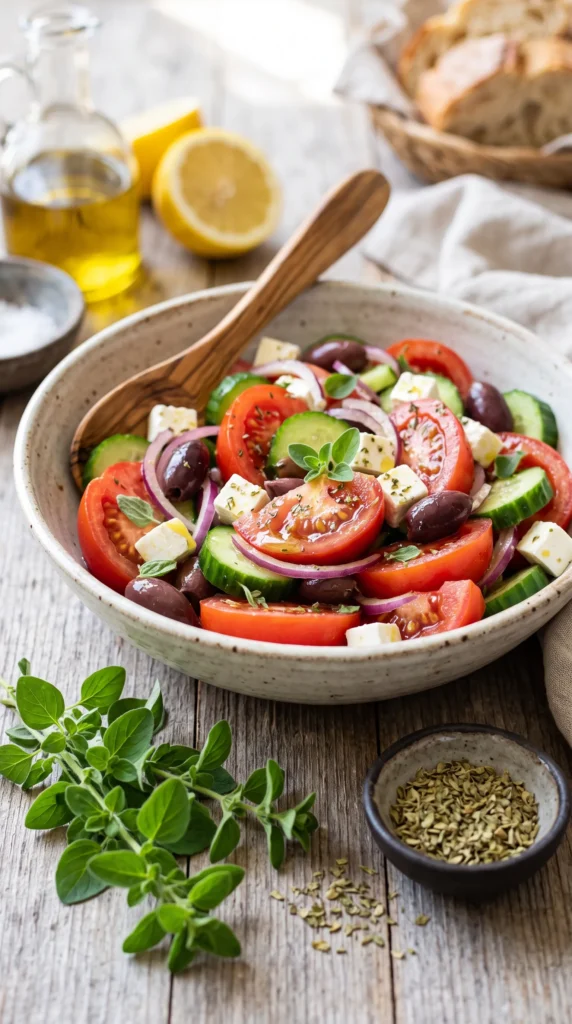
Try adding fresh or dried oregano to tomato sauces, salads, soups, roasted vegetables, beans, and grilled proteins.
Easy idea: Sprinkle oregano over a tomato and cucumber salad with olive oil and lemon juice for a quick and flavorful side dish.
How to Add More Anti-Inflammatory Herbs to Your Diet
You don’t have to use large quantities of herbs to make your meals more flavorful. Small amounts used regularly can help you create a more varied and plant-rich diet.
Try these simple ideas:
- Add turmeric to soups, curries, and rice dishes.
- Grate fresh ginger into stir-fries and salad dressings.
- Use garlic to flavor vegetables, beans, and whole grains.
- Sprinkle rosemary over roasted potatoes and chicken.
- Add oregano to pasta sauces, salads, and Mediterranean-style bowls.
- Combine several herbs to make homemade marinades and seasoning blends.
- Grow fresh herbs at home so they’re always available when you’re cooking.
The Bottom Line
Adding herbs such as turmeric, ginger, garlic, rosemary, and oregano to your meals is an easy way to bring more flavor and beneficial plant compounds into your diet. While no single herb can prevent or treat chronic inflammation on its own, these ingredients can be part of an overall healthy eating pattern rich in vegetables, fruits, whole grains, legumes, nuts, seeds, and other minimally processed foods.
The next time you’re preparing dinner, reach for your spice rack or fresh herb garden. A little extra flavor may be a simple step toward making nutritious meals more enjoyable and varied.






One Comment